
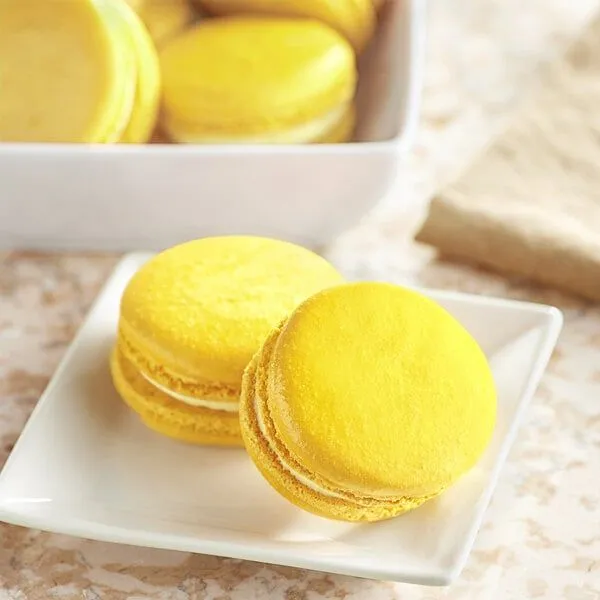
Yellow is a versatile color in food and beverage products. It gives manufacturers the choice of creating these visual attributes with naturally derived sources of color, such as natural yellow food color. The choice of the right ingredient needs to take into account the type of the product, the product formulation, the processing conditions and the desired final appearance of the product.
Start With the Product Concept
Colors should be used according to the planned use of the food. The first step that manufacturers can take is to determine the flavor, the product category, target shade, and image that they wish to have.
A lemon drink could be a bright, sunny yellow; a bakery item might be a more golden yellow. The exact shade of color may be needed if the confectionery is designed to be more vibrant. Once the visual target is established, product developers can more easily compare the ingredients they have available and decide which are appropriate for formulation testing.
Explore Different Yellow Sources
A number of naturally occurring materials can impart a yellow or yellow-orange color to foods. Some sources that are considered by manufacturers include, but are not limited to, turmeric and annatto.
It depends on the intended color and the qualities of the product to be colored. An ingredient might be ideal for a beverage formulation but may not be the best choice for a sauce, dessert or confectionery product. It means that manufacturers can have more flexibility when creating a specific color profile if they conduct comparisons between different sources.
Consider Natural Food Colors as a Category
In the search for natural food colors, producers should consider the broader spectrum of other colors available, not just the yellow. This may come in handy for companies creating multiple products or preparing for a larger product line.
Knowing the various color families can aid development teams in developing matching looks in various products. There are 5 colors: red, orange, yellow, purple and blue that each can offer a different visual element. When developing a product that is yellow in color, checking out other natural sources may also allow developers to get a sense of the shade and application of various ingredients.
Test the Color Within the Formula
The information from ingredient samples is useful, but the information from testing in the actual food formulation is more useful. Changes in color due to the surrounding ingredients may occur.
The manufacturer can make a small batch with the desired recipe and compare various concentrations of colors. This enables developers to see the shade, intensity, dispersion and overall appearance under realistic conditions. Testing can also be used to establish if the chosen ingredient is integrated into the current production process. Early trials allow teams to work on improving the formulation before progressing to larger-scale production.
Consider the Food Matrix
The color of the matrix can affect the appearance of a yellow color. Acidity, moisture, fat content, texture and other ingredients could impact the final visual outcome. Therefore, manufacturers need to assess the color for each of their products instead of using a blanket approach for all food groups.
A drink, dairy product, sauce, dessert and baked product can all react differently when it comes to formulation. Application-specific testing allows for the detection of which concentration and method is most suitable to the specific product of the developer.
Evaluate Processing Conditions
There may be multiple stages of processing in the manufacture of food products, such as mixing, heating, cooling, freezing, drying, or baking. When evaluating a color ingredient, these conditions should be taken into consideration.
During trials, important processing steps can be reproduced to gain insight into the behavior of the selected shade of yellow during production. The time of application of the color can also affect color distribution. The storage can also be assessed. The final product can be observed under the conditions of expected storage, and this can help to further understand formulation and production.
Select the Right Ingredient Format
Natural color ingredients may be in various forms, depending on their origin and use. Depending on the equipment, formulation, moisture content, and incorporation method, manufacturers might want to use liquid or powdered products.
The format chosen should fit easily into the current manufacturing process. Practical testing can help teams understand the ease of measuring, mixing and dispersion of the ingredient. Technical product information may further help manufacturers when evaluating the different formats available for a specified food application.
Create a Consistent Yellow Appearance
With the appropriate color chosen, manufactures can record color concentration, addition process, color mixing, processing conditions and desired color.
This information can be incorporated into the production specification and serve as a reference point for future batches. The regular application of these is particularly useful when a business has a number of products that need to be produced in a related yellow or golden hue. A documented color process can also aid future product development and contribute to a more structured formulation procedure.
Conclusion
Fruits, confectionery, sauces, desserts and bakery products are just a few applications that can be created with natural yellow shades. Manufacturers can use the desired appearance, food matrix, food color source, the processing environment, the format of the food ingredients, and the production method to determine a suitable approach for their formulation. For those who are looking for naturally derived sources of yellow color for their next product, check out foodrgb.com to find a suitable source and proceed to develop your product with a clear color strategy.
About the Author


